When a name is written with flowing, elegant strokes, it feels less like a task and more like an art form. For hobbyists who already enjoy calligraphy or sketching, mastering the art of writing names in cursive can become a focused project that sharpens motor skills, boosts confidence, and adds a personal touch to cards, certificates, or journals. This guide provides a practical roadmap for experienced hobbyists looking to elevate their handwriting through deliberate practice and thoughtful selection of tools and techniques.
Why Cursive Matters for Names
Names are often the first word people see when they meet a brand, a brand owner, or a handwritten note. A crisp, cursive name can signal professionalism and care. Moreover, the continuous flow of cursive reduces the number of hand stops, improving speed and reducing fatigue over long writing sessions. For hobbyists, this means fewer errors and a smoother aesthetic when creating custom monograms, business cards, or decorative sign‑offs.
Choose the Right Script
- English‑style Modern Cursive – features loops and slants that are easy to read and train. Good for everyday use and quick note‑taking.
- Calligraphic Cursive – incorporates varied pen pressure and exaggerated flourishes. Ideal for formal invitations or artistic projects.
- Personal Hybrid – blend elements from both styles to create a unique signature that reflects your personality.
Test each script by writing your own name multiple times. Notice which one feels most natural, offers the best legibility, and matches your intended use.
Tool Selection and Setup
A good pen can make or break the practice session. For smooth cursive flow, consider:
- Fountain pens with a medium (M) nib – provide steady ink flow and fine control.
- Gel pens with low‑drag cartridges – great for beginners who need consistent pressure.
- Traditional dip pens with flexible nibs – best for calligraphic flourishes and ink enthusiasts.
Pair the pen with paper that has a slight tooth, such as a 120 lb smooth or a lightly textured sketch pad. The paper texture helps grip the nib, allowing for cleaner strokes.
Structured Practice Routine
- Warm‑Up Strokes – begin each session with horizontal, vertical, and circular motions to loosen the wrist.
- Alphabet Blocks – write each letter in isolation, focusing on the initial and terminal strokes.
- Name Repetition – write your full name, then add variations (e.g., middle initial, nickname) to practice linkage.
- Speed vs. Accuracy – alternate between slow, deliberate writing and timed drills to build muscle memory.
- Review and Adjust – compare each iteration to a reference sheet; tweak loops, slants, or spacing as needed.
Leverage Visual Inspiration
Visual references can deepen understanding of fluid motion and stylistic nuance. The Art Nouveau design patterns emphasize organic curves and repeating motifs, mirroring the natural flow of a cursive letter. 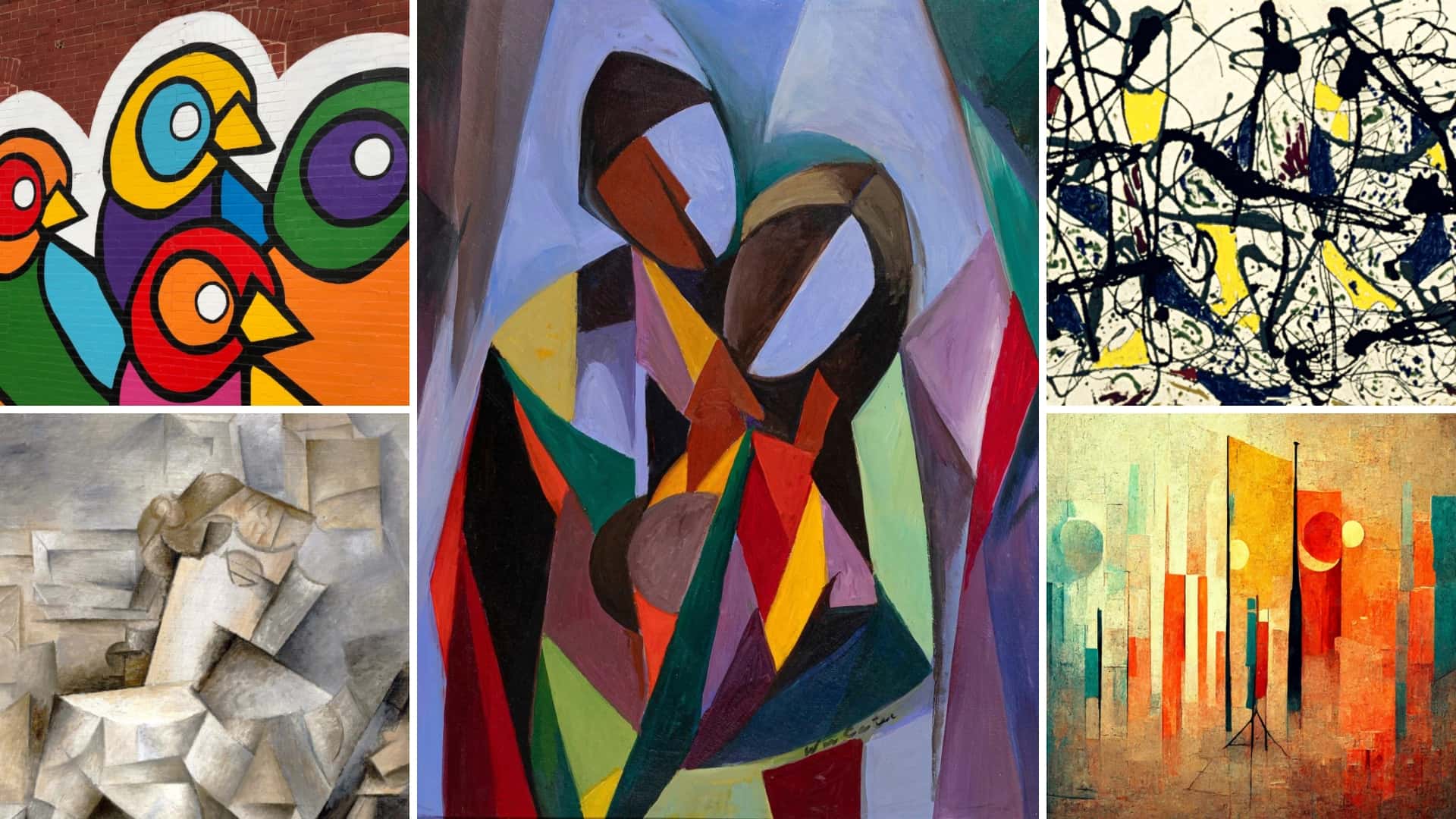 The painterly strokes in visual art exemplify how subtle variations in pressure create depth and personality.
  By studying these images, hobbyists can translate artistic concepts into hand‑written form, turning a simple name into a personal statement.
Assessing Progress and Making Decisions
Track progress weekly with a short portfolio of your name written in different contexts: a formal card, a casual note, and a digital printout. Compare spacing, slant, and loop height. If consistency improves, you’ve earned the right to add subtle flourishes. If you’re still struggling with specific letters, focus on targeted drills for those characters. Remember that decision‑making in handwriting is iterative—each adjustment leads to a more refined final product.
Implications for the Hobbyist Community
Elevating your name in cursive can elevate your entire creative workflow. From custom stationery to hand‑painted murals, a strong, consistent script becomes a brand identity in itself. Moreover, the disciplined practice routine improves fine‑motor control, benefiting other artistic pursuits like watercolor, illustration, or sculpture.
Take the First Step
Start by choosing a pen, a smooth paper, and a simple script. Write your name at least twenty times a day for two weeks. Observe the changes, celebrate small victories, and let the art of writing names in cursive become a signature skill you’ll carry for years. The practice is simple, the payoff is elegant, and the journey is entirely yours to design.
Visual Arts Drawing And Painting 10 Forms Of Indian Art That Have
Visual Arts Drawing And Painting 10 Forms Of Indian Art That Have
Visual Art TAFE Melbourne | Melbourne Polytechnic
Visual Art TAFE Melbourne | Melbourne Polytechnic
Objectivité De L’Art Définition – XNCNS

Objectivité De L’Art Définition – XNCNS