In today's fast‑paced world, the ability to listen deeply and ask thoughtful questions can transform personal and professional interactions. Mastering NVC Inquiry—Non‑Violent Communication’s core technique—offers a framework that blends curiosity with empathy, turning ordinary conversations into collaborative problem‑solving sessions.
Context: From Verbal Patterns to Human Connection
Non‑Violent Communication (NVC) was developed by psychologist Marshall Rosenberg to foster authentic dialogue. At its heart lies the practice of asking open‑ended, observation‑based questions that invite the other person to share feelings and needs rather than defend positions. Recent studies in workplace communication show that teams who routinely employ NVC techniques report higher engagement and lower conflict scores.
Breathing plays a subtle yet powerful role in this dynamic. The vagus nerve—a key component of the parasympathetic nervous system—regulates heart rate and stress responses. Controlled breathing activates this nerve, creating a physiological calm that sets the stage for receptive listening. 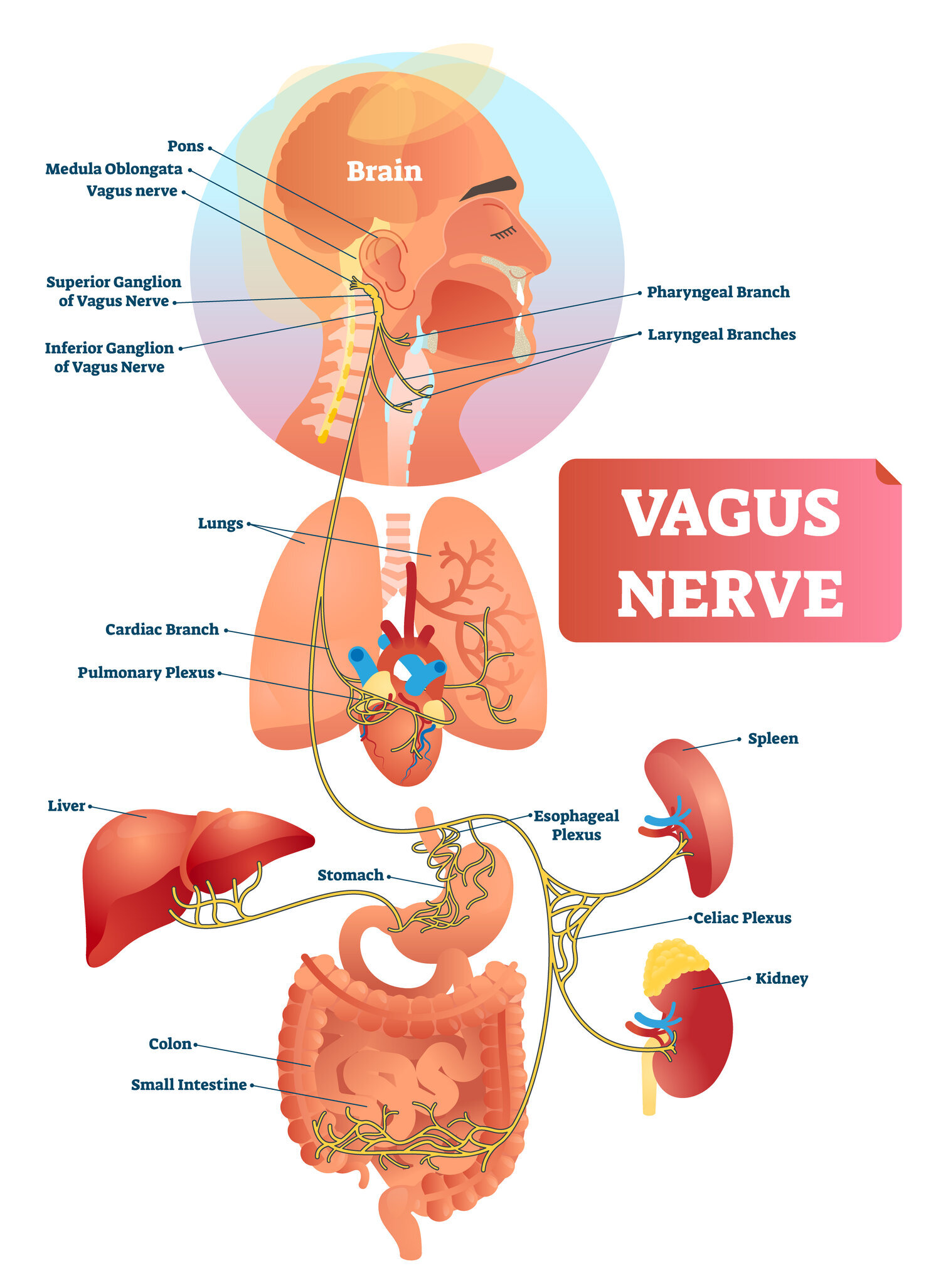
Details: Crafting the Inquiry
Effective NVC inquiry follows a simple yet powerful structure:
- Observation – State what you see or hear without interpretation: “I noticed the meeting ran 10 minutes over schedule.”
- Feeling – Express your emotional response: “I felt a bit anxious.”
- Need – Connect the feeling to a universal need: “Because I need clarity on time management.”
- Request – Ask a concrete, doable action: “Could we set a timer for future meetings?”
When you phrase questions in this order, you signal respect and invite cooperation. For example, instead of asking, “Why did you miss the deadline?” try, “I see the deadline was missed, and I feel concerned about the project's timeline. What might we do together to avoid this in the future?” The shift from blame to collaboration reduces defensiveness and opens space for joint solutions.
Practicing this cadence repeatedly builds muscle memory. Start with low‑stakes conversations—ordering coffee, checking in with a friend—and gradually move to higher‑stakes settings like performance reviews or conflict mediation.
Implications: Better Work, Better Life
Organizations that embed NVC inquiry into their culture often see tangible benefits. A mid‑size tech firm reported a 15% drop in employee turnover after training managers to ask empathic questions. In educational settings, teachers who adopt NVC techniques notice a rise in student engagement and a decline in behavioral incidents.
On a personal level, mastering NVC inquiry can deepen relationships. Couples who use these skills report higher satisfaction scores because each partner feels heard and validated. Even in challenging conversations—discussing finances or health decisions—empathic questioning can prevent escalation and foster mutual understanding.
To sustain progress, set weekly micro‑practices: a 3‑minute breathing pause before a conversation, a quick note of one observation and feeling about the day, and a reflective question you pose to a colleague. Over time, these habits weave empathy into your routine, turning every interaction into a chance for connection.
Mastering NVC Inquiry: The Art of Empathic Communication is more than a set of tools—it’s a mindset that encourages us to see the humanity behind every word. By integrating mindful breathing, thoughtful observation, and genuine curiosity, we can create dialogues that heal, inspire, and move us toward shared solutions.
The Vagus Nerve

The Vagus Nerve
Zen Earbuds Vagus Nerve At Nicholas Ramsey Blog
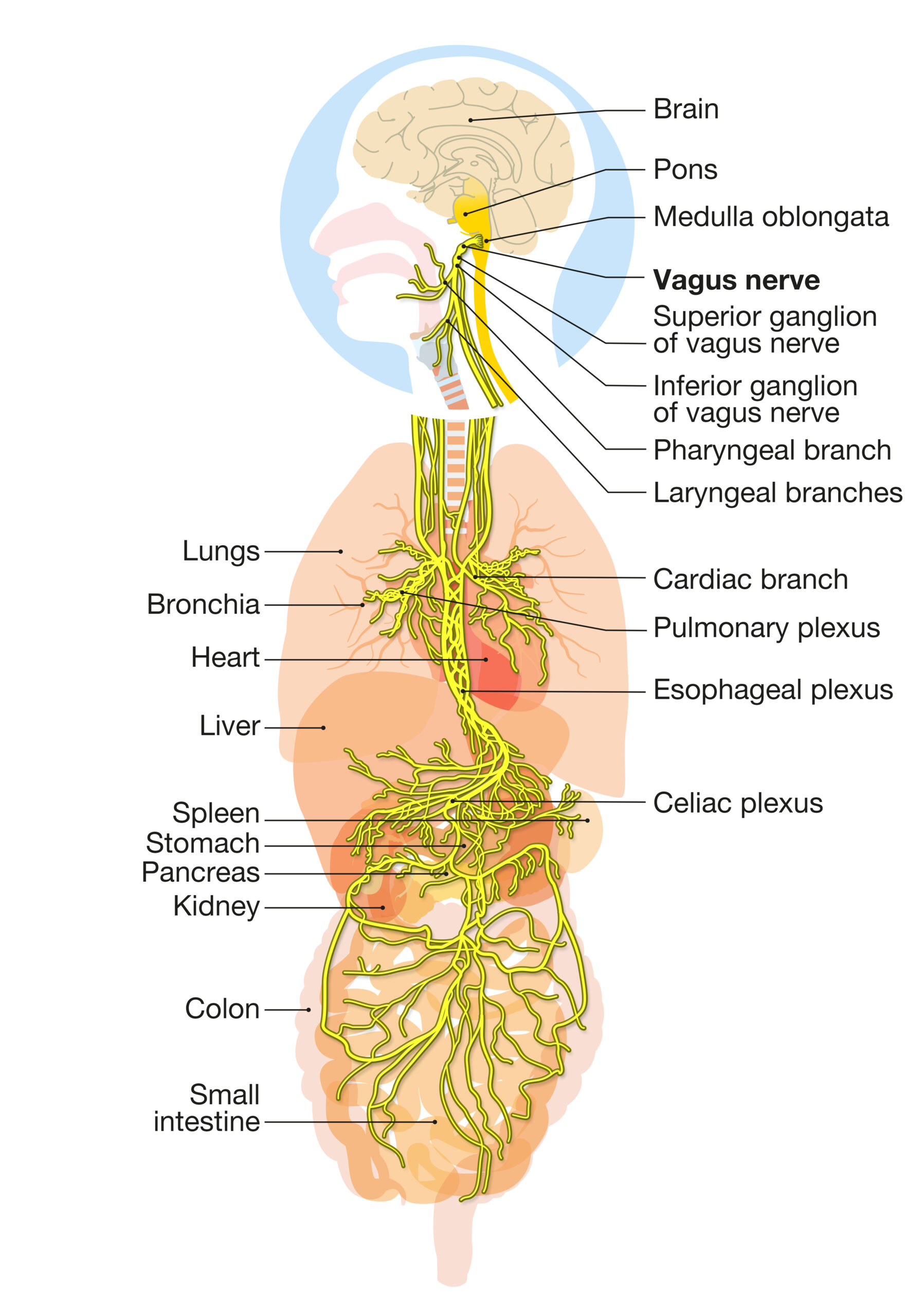
Zen Earbuds Vagus Nerve at Nicholas Ramsey blog
Vagus Nerve Branches In Head And Neck
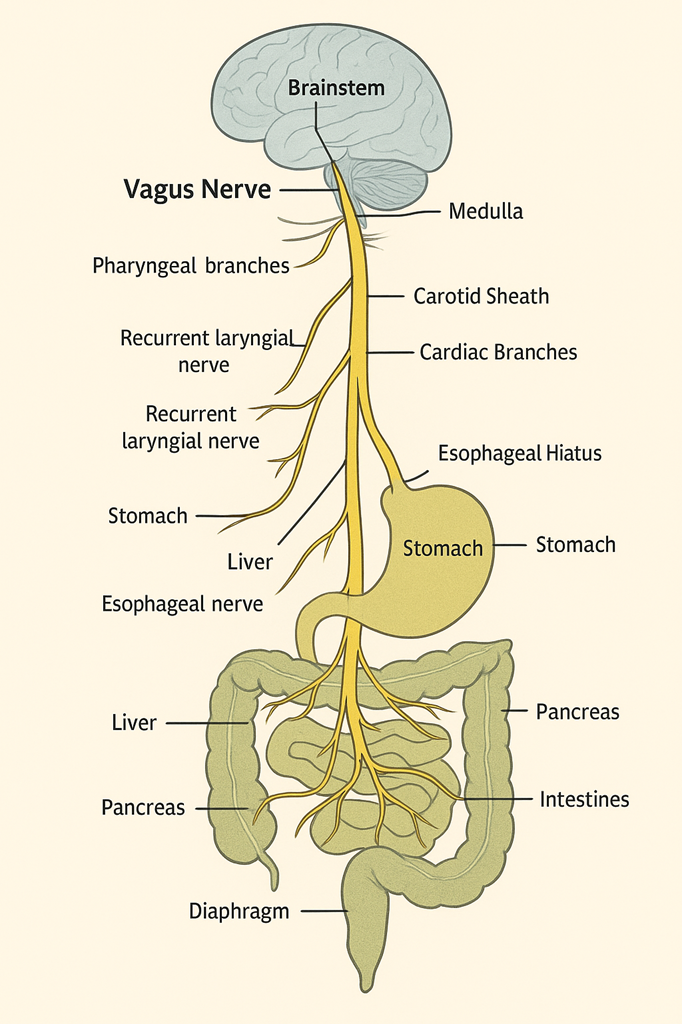
Vagus Nerve Branches In Head And Neck
Vagus Nerve Location Diagram

Vagus Nerve Location Diagram